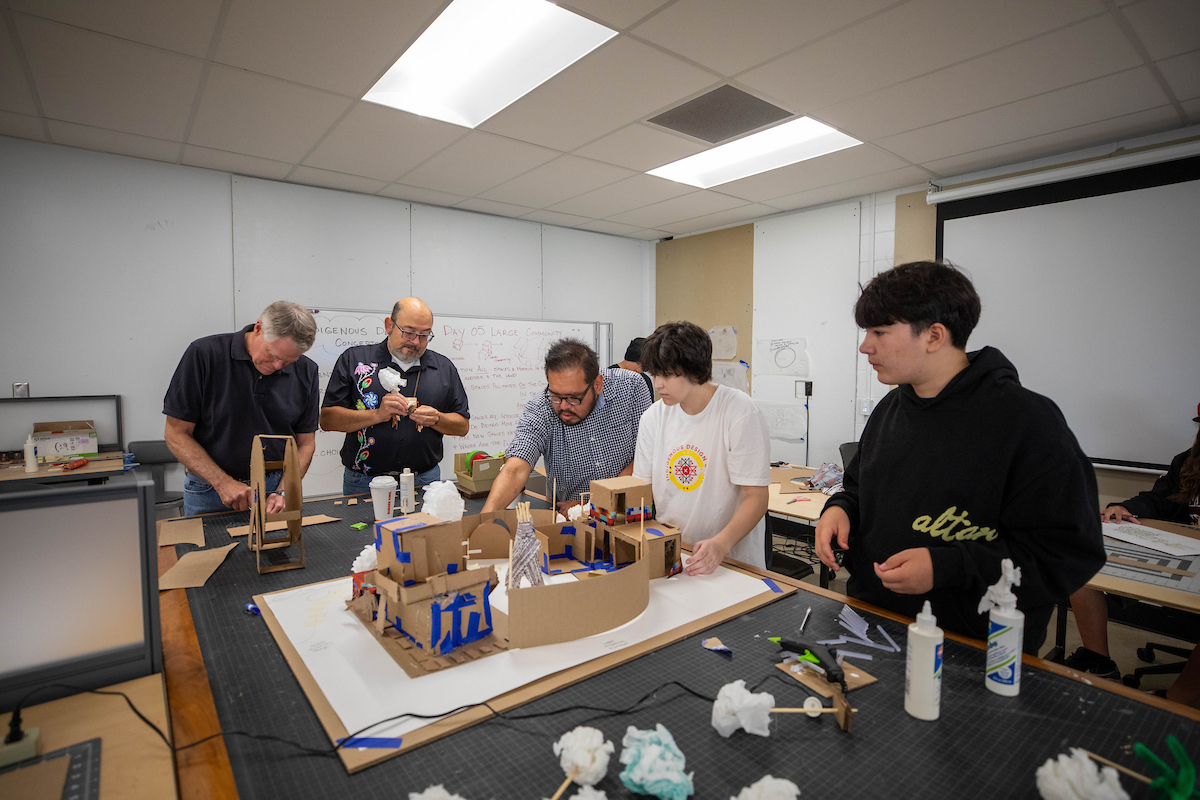
Camp organized by Minnesota non-profit
This summer, a group of Indigenous youth attended a weeklong, one-of-a-kind camp, designed to inspire the next generation of Native designers, architects, and changemakers. The event was organized by the Indigenous Design Camp non-profit organization and hosted at Dunwoody College.
Currently, there are very few Indigenous professionals in fields like architecture, landscape architecture, and interior design. But as awareness grows about these areas of studies – and the ways they align with perspectives on land, space, and community – there is an opportunity to spark curiosity and connection. For many Indigenous youth, these design professions could become powerful tools for cultural expression and collective storytelling, if they were introduced to it earlier.
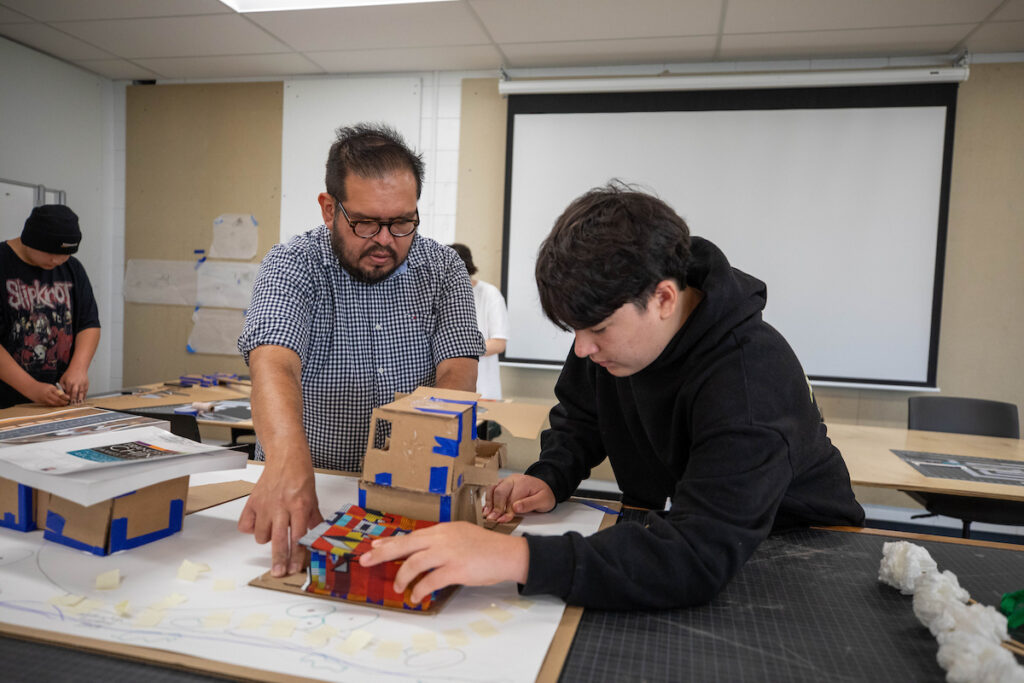
That’s exactly what the 2025 Indigenous Design Camp set out to do. This weeklong camp brought together Indigenous youth ages 14-18 for a hands-on introduction to the design world, such as architecture, interior design, and landscape design.
Under the instruction of Indigenous professionals, students of various Indigenous tribes attending this design camp built community among each other and learned to work together. In addition, campers had the opportunity to meet Indigenous professionals currently working in these fields – people with real-world experience, whose cultural backgrounds shape how they think about space, structure, and form. These conversations offered a glimpse into careers that honor both creativity and cultural knowledge.
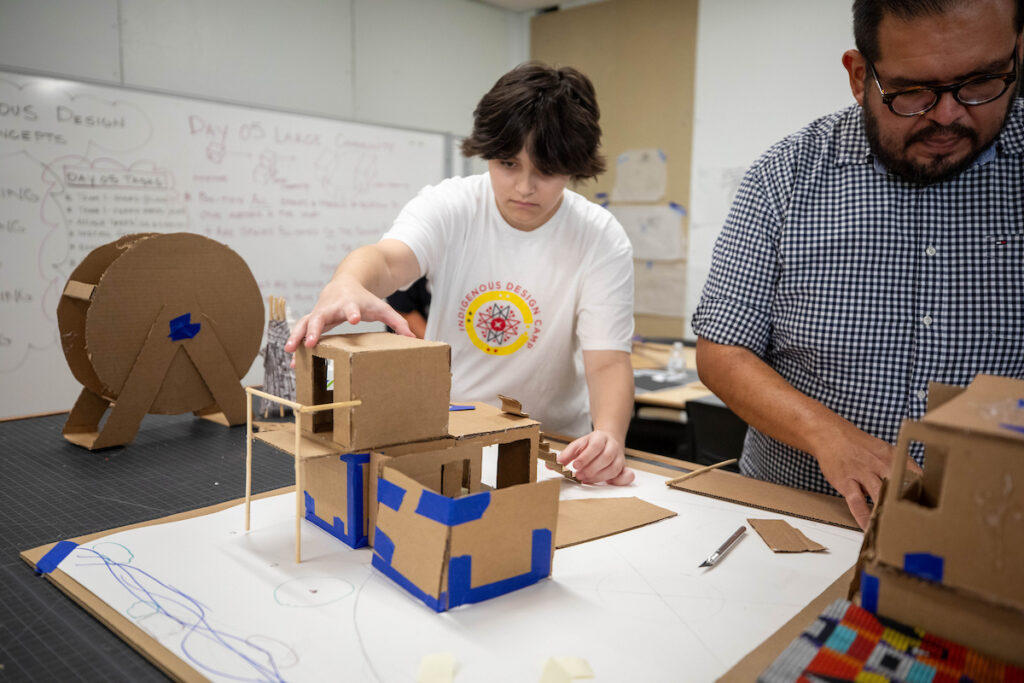
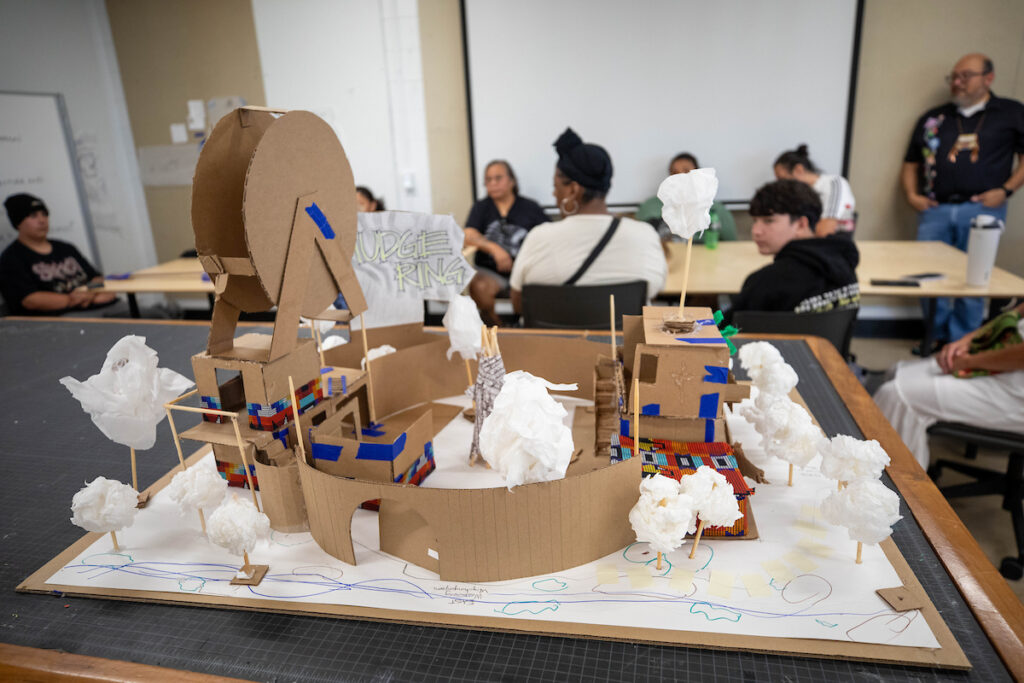
Throughout the week, students explored a range of design elements; landform, elevation, site modeling, texture, form, materials, surfaces, accessibility, water movement, lighting, and public art. These are the building blocks of places where people live, gather, and feel connected.
One of the highlights of the camp was a collaborative design project in which they collectively agreed to call it Smudge Ring. Each student began by designing their own sleeping space. Using cardboard and other model-making materials, they worked together to connect their designs into a larger shared space, intentionally shaping their design around the idea of community, rest, and ceremony.
By creating spaces for Indigenous youth to explore these fields, the Indigenous Design Camp planted seeds of future leaders who may help shape a more inclusive, thoughtful and connected environment.
Visit indigenousdesigncamp.com for more information about the organization.